Beat-Matched Power: One-Song Yoga-Strength Circuits
Discover how BPM-based playlists that map tempo to intensity transform a single track into a complete mini-session, uniting breath-led yoga flow with purposeful strength work set to verses, choruses, and drops. Explore tempo ranges, phrasing, and safety cues that synchronize effort with music’s natural arcs, helping you pace, recover, and progress consistently. Whether you coach classes, cross-train for sport, or move at home with headphones, let rhythm guide alignment, breath, and grit. Begin today, feel your focus sharpen with every beat, and celebrate measurable improvements anchored by sound, structure, and joy.
Understanding BPM and Body Response
When music tempo increases, movement naturally follows through rhythmic entrainment, aligning breath cadence, stride, and muscular effort with the beat. By intentionally selecting BPM, you can nudge intensity without constant verbal cues, shaping arousal, focus, and endurance. Lower ranges invite mobility and diaphragmatic breathing; moderate ranges support steady flows; higher ranges spark powerful complexes. Respect individual differences, remember recovery matters, and watch how clear rhythmic structure eases decision fatigue, keeping technique crisp under fatigue while enhancing motivation and consistency across weeks, not merely a single energetic day.
Designing One-Song Circuits
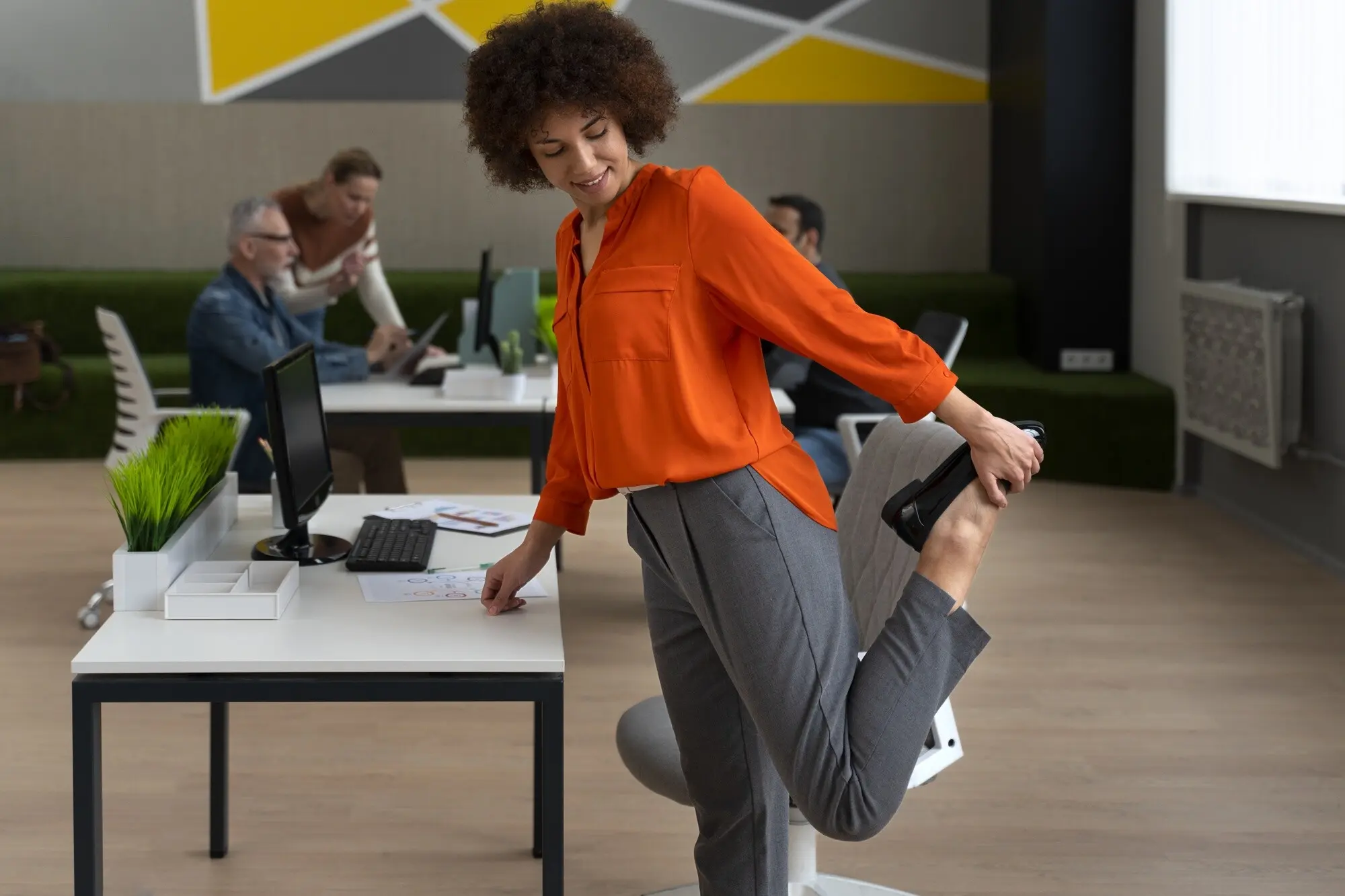
Turn every musical section into a movement purpose. Use intros for set-up and breath; verses for flowing strength patterns; choruses for explosive complexes; bridges for isometrics or unilateral balance; outros for gentle decompression. Instead of chasing time, count phrases and eight-count blocks so effort escalates naturally. Preload regressions and progressions matched to the same counts. Favor crisp transitions, intentional pauses, and clear start cues. This structure keeps classes cohesive, solo practice focused, and coaching language minimal, because sound already signals what comes next and how intensely to pursue it.
Map Sections to Movements
Plan mobility in the intro, linking breath and spinal articulation. Flow strength through the verse with controlled vinyasa-to-load pairings. Hit the chorus with compound power moves like squat-to-press or push-up-to-dolphin surges. Use the bridge for isometric holds or single-leg balance to stabilize joints and sharpen focus. Let the outro unwind with slow eccentrics and soft twists. Write it down, note exact counts, then coach with simple anchor words so participants anticipate each change confidently, maintaining form while the music reliably ushers them from one purposeful demand to another.
Count Phrases, Not Seconds
Instead of timing thirty seconds, count four phrases of eight. This improves consistency across different songs, reduces clock fixation, and lines up cues with musical peaks. For example, hold chair pose strength for one phrase, flow to reverse lunge rotations for two, then surge kettlebell dead clean presses across the chorus. Ending on the downbeat feels complete and clean. Phrase-based coaching sharpens transitions, simplifies scaling, and ensures each rep density matches the track’s arc, preserving smooth breath mechanics and preventing frantic rushing that often compromises alignment during intense efforts.
Smooth Transitions and Safety
Predict transitions one phrase early with clear language like, “On the next downbeat, step back and stack joints.” Highlight non-negotiables: neutral spine, stacked knees, purposeful foot pressure, and shoulders wide. Keep options ready: bodyweight regressions, tempo slow-downs, or shortened ranges while maintaining phrasing. Use musical builds to cue set-up rather than rushing between positions. This respects individual pacing, reduces tripping hazards around mats or bells, and keeps collective rhythm intact. The result is shared momentum that feels confident, athletic, and kind to connective tissues even during spirited crescendos.

Building BPM-Based Playlists
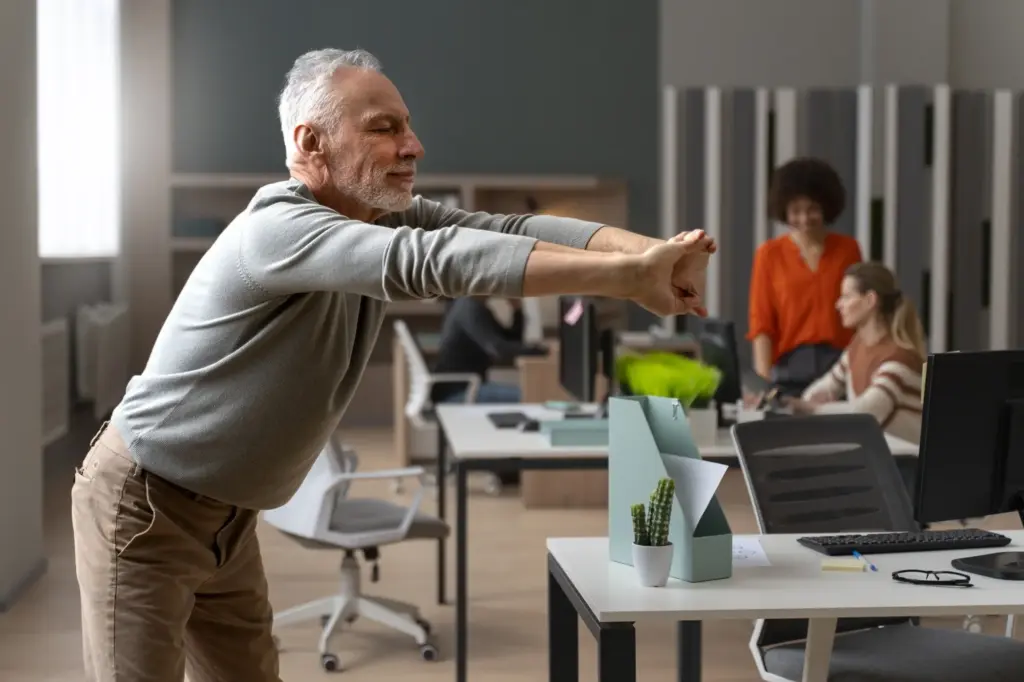
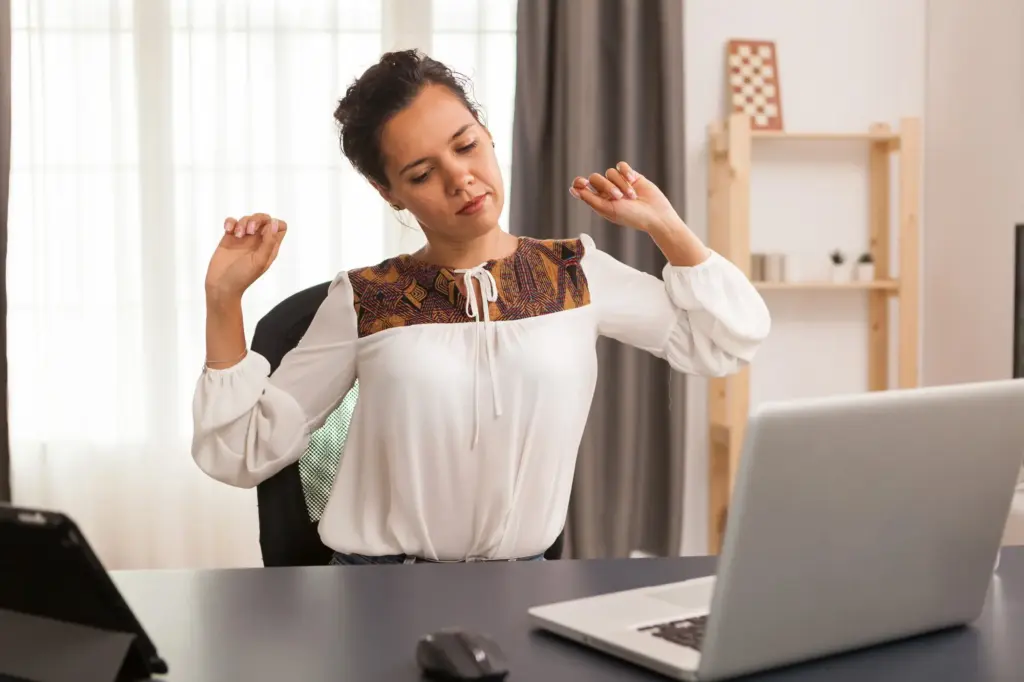
Curate songs with phrasing you can feel, clear dynamic changes, and lyrics that uplift without distracting alignment. Sequence warm-up tracks in slower ranges, stack two or three mid-tempo movers for steady flow, then place a high-energy banger for the power circuit, closing with a soothing downshift. Use crossfade lightly to preserve transitions, and avoid abrupt key changes that jar breath. Exploit BPM filters, but always test movements against phrasing. Diversity in genres broadens engagement, welcomes different identities, and keeps long-term adherence high because novelty arrives without sacrificing structure or safety.
Flow-to-Load Pairings
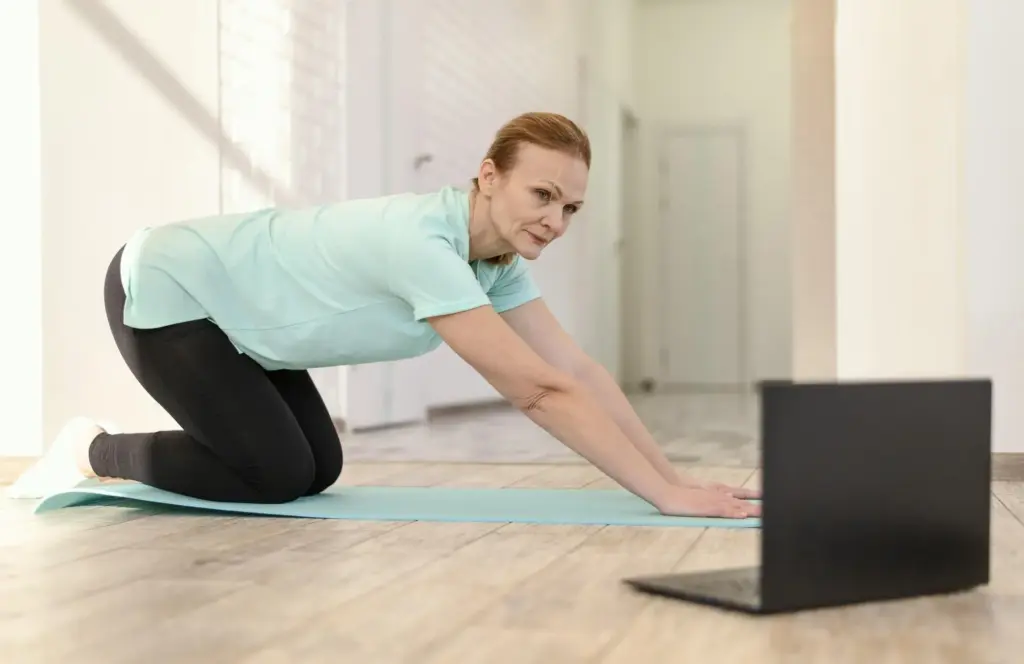
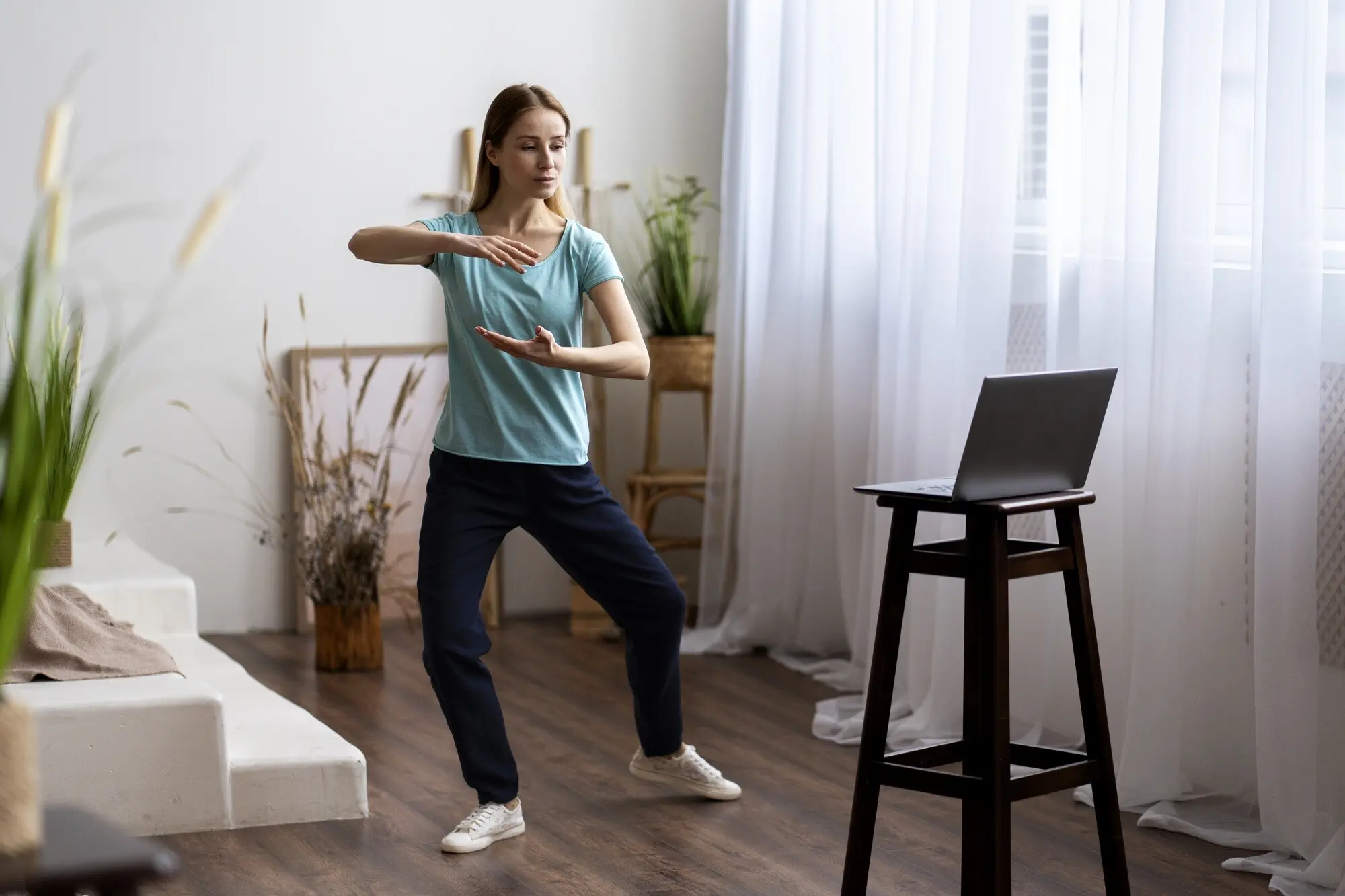
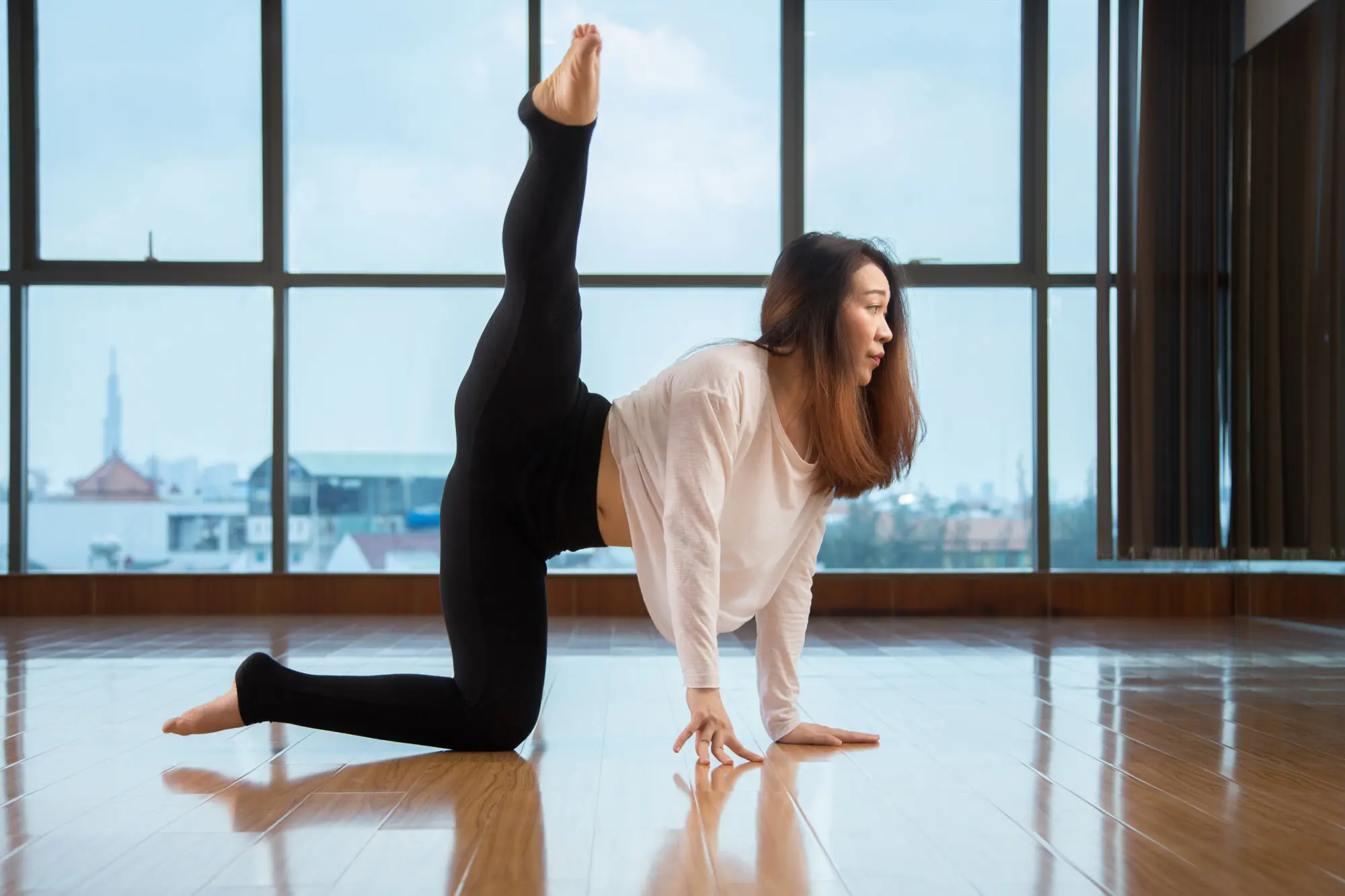
Start with cat-cow into half-salutation to warm the spine, then shift into chair pose with heel lifts to prime calves and ankles. As the verse grows, add slow goblet squats synced to inhales down and strong exhales up. At the chorus, move into squat-to-press complexes, keeping ribs stacked over pelvis. Return to vinyasa with low lunge twists between power bursts. This contrast refines stiffness where needed and freedom where helpful, turning rhythm into a coach that balances mobility, strength, and breath without overwhelming the nervous system or compromising precision.
Isometrics with the Drop
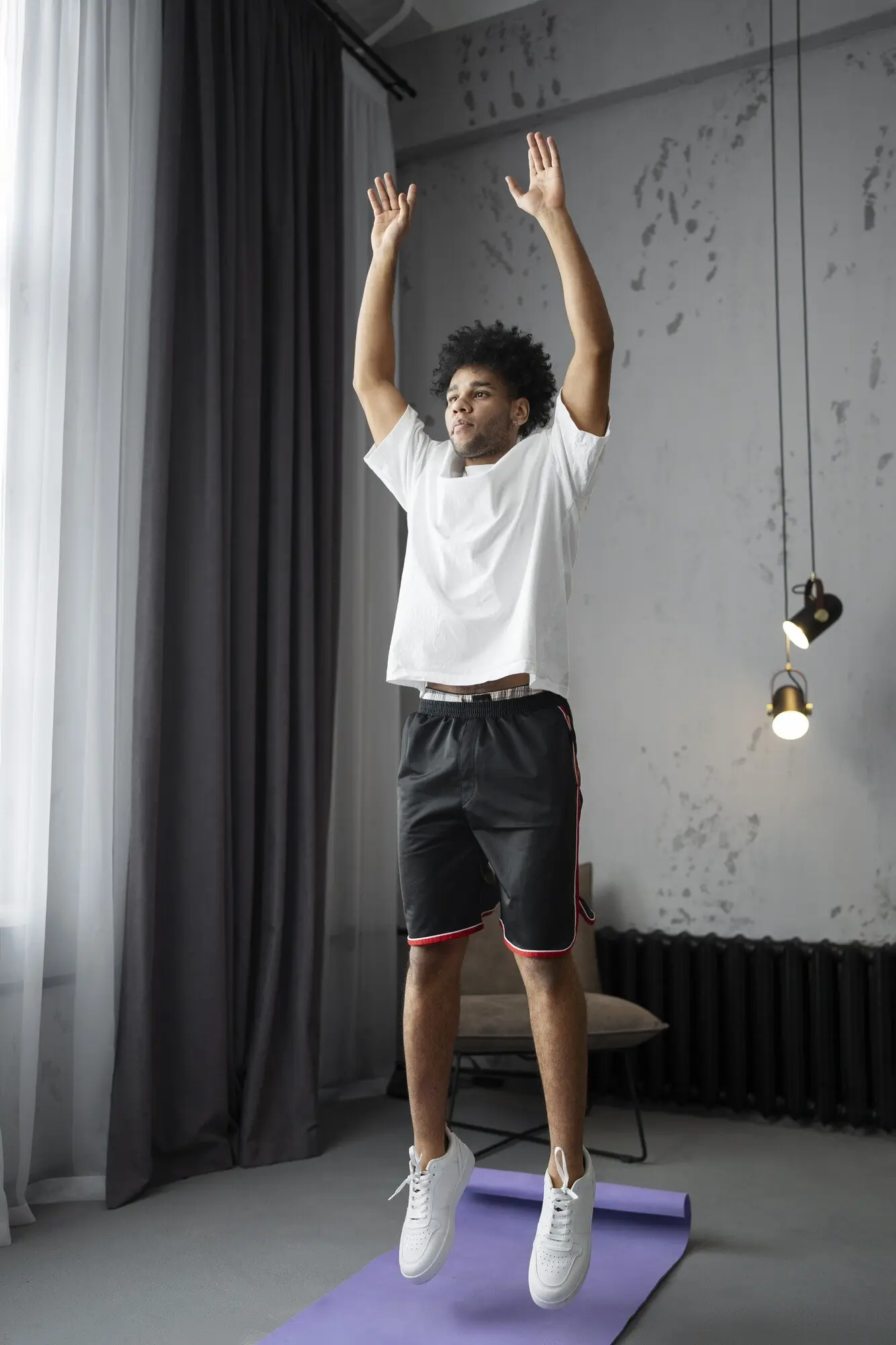
When the beat strips back during a bridge, lock in tension: side plank hover with slow diaphragmatic exhales, warrior two with active feet and laser-focused gaze, or a deep chair hold emphasizing long spines and soft jaws. Isometrics build joint confidence and reinforce positions your dynamic sets demand. Use four eight-counts to explore micro-adjustments, then re-enter power with sharper organization. This teaches students to savor stillness, harness breath to stabilize, and carry integrity into the chorus where momentum tempts shortcuts that fatigue shoulders, knees, and lower backs.
Balance Under the Bridge
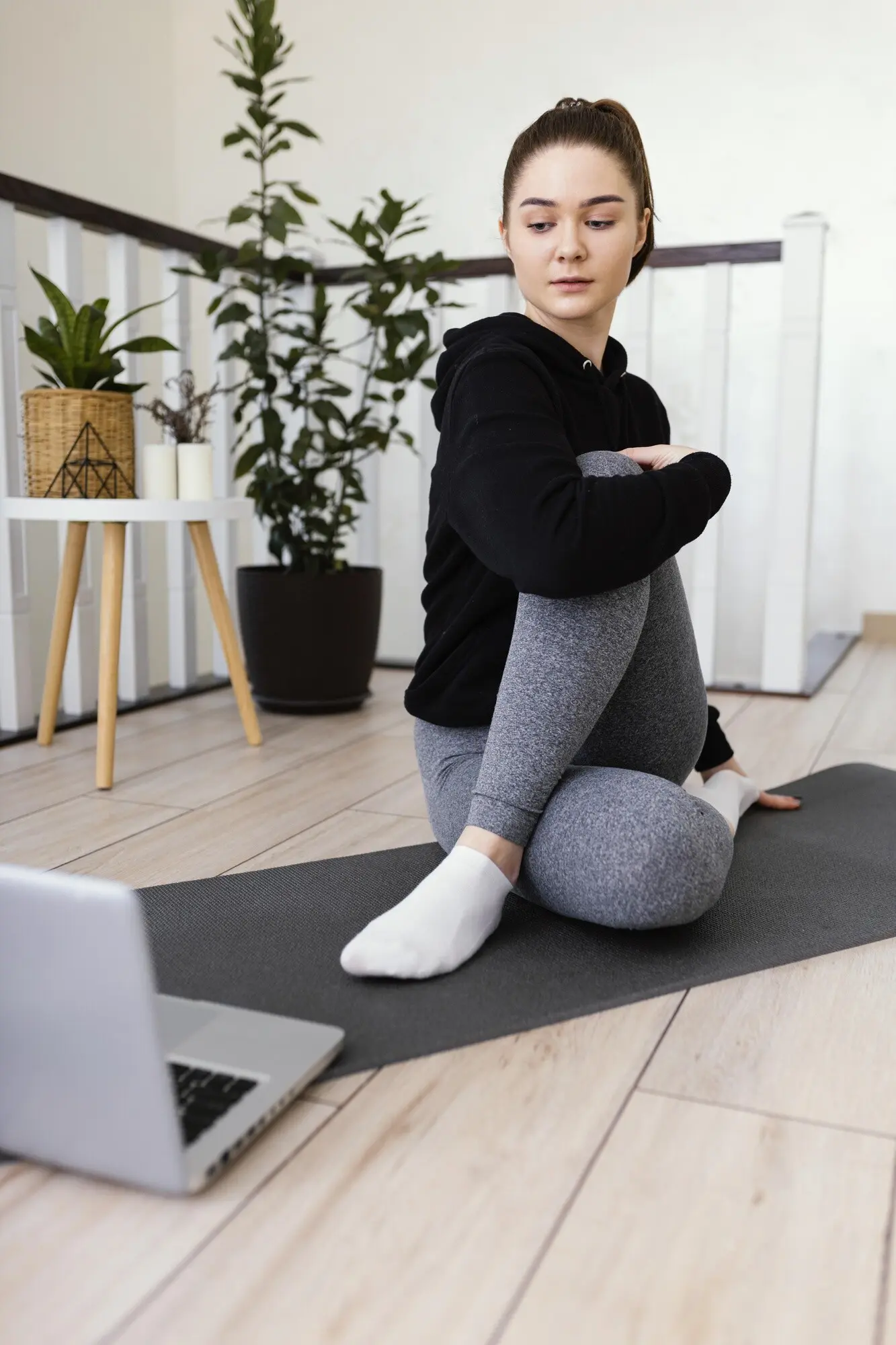
Unilateral work shines when arrangements thin. Try tree pose transitioning to airplane, then controlled step-downs into loaded split squats timed to gentle percussion. Encourage tripod feet and focused drishti, letting small wobbles inform rather than frustrate. Finish the phrase with controlled hinges to re-find hamstrings before the chorus re-energizes. Balance is not a trick; it is a conversation between breath, fascia, and floor pressure. The bridge’s quiet invites that dialogue, sewing stability into your power sets and making each subsequent rep crisper, safer, and more expressive.
Programming Progression and Recovery
Progress by manipulating tempo exposure, density, and complexity across weeks. Start with mid-tempo foundations and clear phrasing, then introduce faster choruses or longer power sections as skill improves. Track perceived exertion, heart rate trends, and technical quality, not just sweat. Schedule deloads that favor slower ranges, mobility circuits, and breathwork to reset nervous system tone. Layer variety across planes of motion and grip patterns. Treat hydration, sleep, and quiet walks as training inputs. This cadence turns musical enthusiasm into durable habits that respect bodies while still chasing ambitious performance goals.
Across four weeks, begin with two mid-tempo songs and one slow closer. In week two, keep tempos but add complexity, perhaps a staggered stance or longer eccentric counts. Week three, introduce one high-tempo chorus while preserving clean technique on verses. Week four, deload with slower playlists and mobility-rich bridges. This wave trims fatigue while growing capacity. Document session notes, favorite tracks, and sticky cues that clicked. Progress thrives on patience and rhythm, not punishment, turning consistency into confidence and confidence into graceful power expressed through breath and beating drums.
Use simple markers: how many phrase-perfect reps stayed clean, breath control under pressure, and stable joint stacks during peaks. Heart rate ranges can guide intensity, but technique remains the boss. RPE notes help calibrate future selections without overcomplicating workflow. Record which songs moved you, where cues landed, and where transitions felt rushed. Trend progress weekly rather than obsessing daily. When form holds at faster tempos or longer choruses, celebrate. When it doesn’t, slow down, regress, and rebuild. Sustainable progress respects honesty, favors curiosity, and trusts the steady guidance of music.
Recovery is programming, not an afterthought. Choose low BPM tracks that invite nasal breathing, gentle spinal waves, and slow hip capsules. Prolong exhales to soften grip and let shoulders drop. Micro-massage feet, widen knees in child’s pose, and explore diaphragmatic lifts with subtle rib expansion. Finish with quiet standing folds, chin nods, and a gratitude breath. The next session begins here: tissues rehydrate, nervous system resets, and motivation rebuilds. With this care, tomorrow’s chorus feels eager rather than daunting, and your long arc of training stays joyous and resilient.
A Coach’s Case Study
Coach Maya built three-song stacks for busy mornings: warm-up mobility at 72 BPM, steady flow-and-load at 104 BPM, and a 128 BPM power finisher. She cued transitions one phrase early and filmed from the side to audit form. Over eight weeks, clients reported fewer knee aches, stronger presses, and calmer heads at work meetings. Maya learned to swap overly lyrical tracks that distracted beginners, choosing punchy instrumentals instead. Her biggest win was consistency: clients arrived knowing the arc, trusted the beat, and left proud rather than wrung out.
Home Practitioner Notes
Alex trains in a small apartment with a yoga mat, a single kettlebell, and headphones. He built a playlist labeled by BPM and wrote tiny sticky notes for movement maps. The musical phrasing quieted his internal chatter about timing and kept transitions clean. On stressful days, he picked slower arcs and emphasized breath holds during bridges. On energized mornings, he rode bigger choruses with crisp technique. After a month, sleep improved, shoulders felt open, and workouts felt like medicine he looked forward to instead of chores to endure.
Join the Conversation
Share a favorite track, its BPM, and how you mapped verses, choruses, and bridges to mobility, flow, power, and recovery. Ask questions about phrasing, regressions, or cues that land. Offer genre ideas that expand inclusivity. Subscribe for weekly micro-stacks, annotated playlists, and coaching prompts you can try immediately. Your ears and experience make this stronger. Together we will refine programming, protect joints, and elevate joy, using rhythm as a teacher that never tires and community as the chorus that keeps every courageous rep moving forward.
Real Stories and Community Practice
Proof lives in people. A small studio tested one-song circuits for six weeks: attendance climbed, beginners stayed engaged, and experienced lifters cleaned technique during fast choruses. A runner reported steadier breath control on hills after mid-tempo flow-to-load sessions. Teachers shared shorter cue sheets thanks to phrase counting. Share your results, questions, and favorite tracks with clear BPM notes so others can try them. Collaboration multiplies creativity, keeps playlists fresh, and invites accountability. Your story may be the gently tapped beat that lifts someone else into sustainable, spirited movement.
All Rights Reserved.